
Starting yoga can feel like stepping into a whole new world. The poses, the breathing, the flow—it all might seem overwhelming at first. But the beauty of yoga lies in its accessibility. Anyone can embrace this ancient practice with the right guidance. If you are just stepping onto the mat for the first time, these beginner yoga tips will illuminate your path. The goal is to make yoga approachable and enjoyable, turning hesitation into confidence with each breath and stretch.
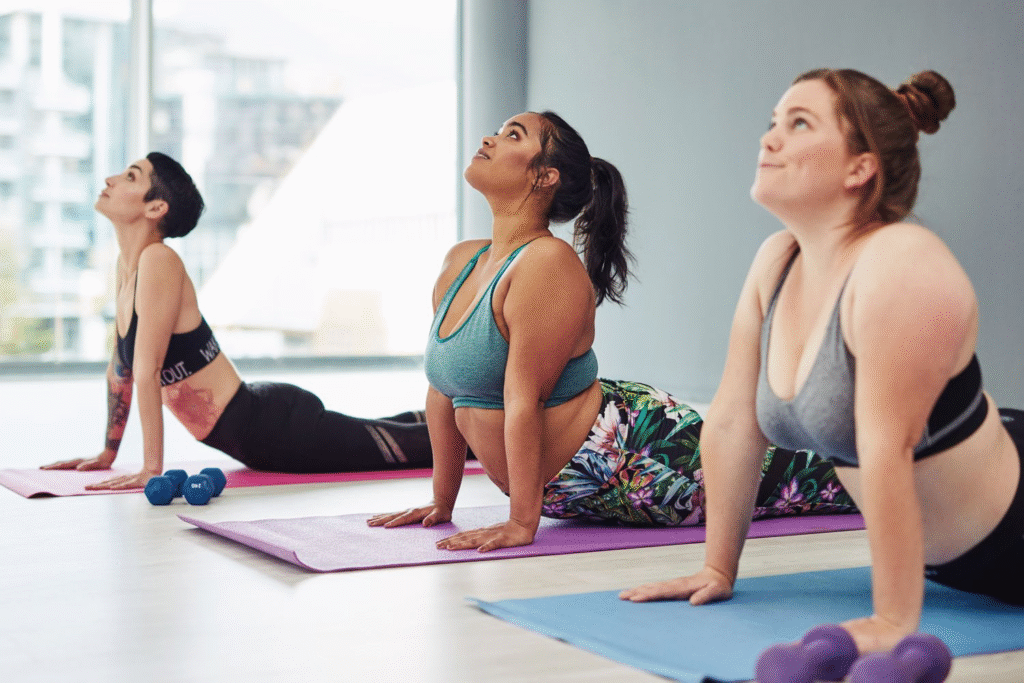
Embrace the Philosophy: Yoga Made Easy
Yoga is much more than physical postures; it is a holistic approach to balance, mindfulness, and wellbeing. The phrase yoga made easy is not about skipping the hard parts but about simplifying your entry into the practice. Start with the mindset that every pose and movement is a chance to connect with yourself. Progress will come naturally when patience and consistency become your companions.
Begin by setting realistic expectations. You don’t need to twist into a pretzel or master advanced poses right away. Instead, focus on learning your body’s limits and expanding them gently.
The Power of an Easy Start Routine
A thoughtfully designed easy start routine is crucial for beginners. The purpose here is to build familiarity with fundamental movements and create a habit without burnout. Your routine should be short but impactful, ideally lasting between 15 to 30 minutes.
Begin each session with a few rounds of mindful breathing. This calms the nervous system and primes your mind for practice. Incorporate gentle warm-ups such as neck rolls, shoulder shrugs, and wrist stretches to awaken the body.
From there, transition into a sequence of beginner-friendly poses. Holding each posture for several breaths allows your muscles to adapt and your mind to focus on alignment and breath awareness.
Navigating Poses with a Simple Pose Guide
Yoga poses can be intimidating if presented all at once. A simple pose guide that highlights foundational postures is invaluable. These poses build strength, flexibility, and balance while laying the groundwork for more advanced practices.
Mountain Pose (Tadasana) is a perfect starting point. It teaches proper alignment and grounding. Stand tall with feet hip-width apart, shoulders relaxed, and weight evenly distributed. Engage your thighs gently and lengthen your spine. This pose cultivates presence and balance.
Next, try Downward Facing Dog (Adho Mukha Svanasana). Though it may appear challenging, it is a vital stretch for the entire body. With hands and feet on the floor, hips lifted high, and heels reaching toward the ground, this pose energizes and lengthens the spine. Beginners can keep knees slightly bent to ease tension.
Child’s Pose (Balasana) offers a restful counterbalance. It stretches the back and hips while promoting relaxation. Kneel on the mat, sit back on your heels, and extend your arms forward or alongside your body. Rest your forehead gently on the mat, allowing breath to flow smoothly.
Another accessible pose is Cat-Cow (Marjaryasana-Bitilasana), which mobilizes the spine with synchronized breath. On hands and knees, alternate arching your back up and dipping it down, inhaling and exhaling accordingly. This dynamic stretch fosters flexibility and connection with the breath.
Finally, Warrior I (Virabhadrasana I) introduces strength and stability. From a standing position, step one foot back, bend the front knee, and raise your arms overhead. Focus on keeping your hips squared and your gaze forward. This pose builds confidence and endurance.
Tips to Keep Yoga Enjoyable and Sustainable
Consistency is key, but so is enjoyment. Here are some friendly reminders to keep your journey rewarding:
- Listen to Your Body: Avoid pushing into pain. Yoga encourages gentle exploration, not competition. Modify poses with props like blocks or straps to support your practice.
- Focus on Breath: Your breath is your anchor. Let it guide movements and help release tension. Breath awareness transforms physical practice into a mindful experience.
- Create a Dedicated Space: Whether it’s a corner of your room or a spot in the park, having a designated area for yoga can boost motivation and calm your mind.
- Celebrate Small Wins: Every stretch, every breath counts. Progress may be subtle but cumulative. Recognize improvements in flexibility, focus, or relaxation.
- Seek Guidance: Utilize beginner-friendly videos, attend beginner classes, or consult with experienced instructors. A little guidance can clarify alignment and prevent injuries.
Overcoming Common Beginner Challenges
Many beginners encounter hurdles like impatience, self-doubt, or frustration. Remember, yoga is not about perfection. It is about showing up consistently and embracing your unique journey.
If you find your mind wandering, gently bring it back to the breath or the sensations in your body. If a pose feels difficult, adjust or rest in a calming posture. The key is not to abandon the practice but to adapt it.
The Joy of Yoga Made Simple
By weaving these beginner yoga tips, a simple pose guide, and an easy start routine into your days, yoga becomes less a daunting task and more a delightful ritual. The practice invites you to slow down, stretch out, and reconnect with your inner self.
Yoga’s beauty is that it meets you exactly where you are. With time, what once seemed challenging will transform into a natural, empowering flow. Your mat will become a sanctuary where you cultivate strength, flexibility, and peace.
So, unroll your mat today and take your first step into the wonderful world of yoga. The journey is yours to enjoy—simple, meaningful, and full of discovery.


More Stories
Unwind, align, and rise: Your daily dose of yoga magic awaits
Unlock your body’s hidden flexibility with just 10 minutes of daily yoga practice
5 Simple Yoga Exercises to Boost Flexibility & Calm Your Mind in Minutes