
The human body is a complex network of defense systems designed to protect, repair, and restore balance. At the heart of this intricate design are human immune pathways, a series of biochemical routes and cellular interactions that determine how effectively the body responds to external threats and internal disruptions. These pathways are not merely mechanisms of survival but engines of vitality that influence how we feel, perform, and recover.
The Architecture of Immune Pathways
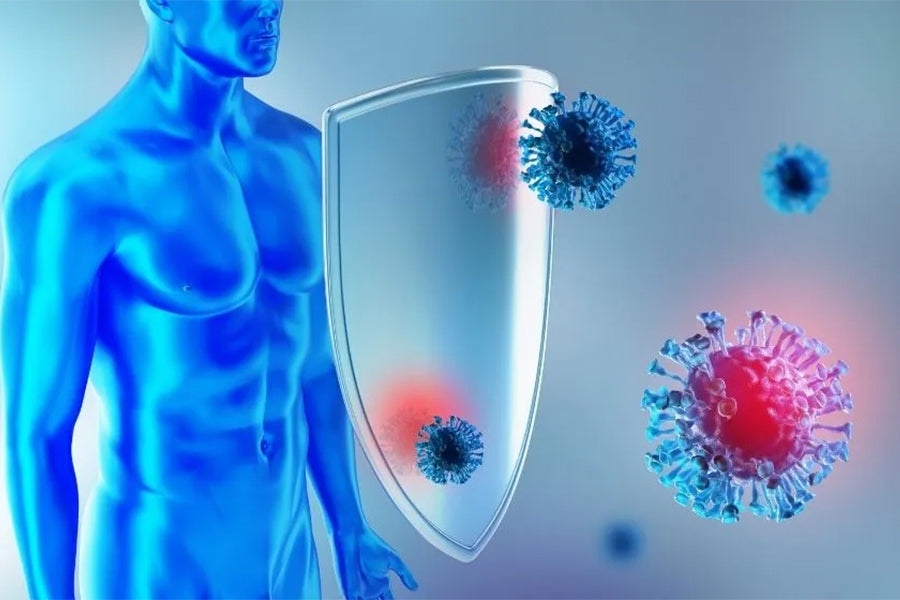
The immune system is built on two major frameworks: innate immunity and adaptive immunity. The innate system acts as the first responder, deploying barriers, natural killer cells, and rapid inflammatory signals. The adaptive system, by contrast, is slower but more specialized, using memory cells and antibodies tailored to specific invaders. Both operate within human immune pathways, orchestrating a constant dialogue between detection, response, and repair.
Each pathway involves signaling molecules, from cytokines to chemokines, which guide immune cells toward action. These signals determine not only whether the body fights infection but also how inflammation is regulated, ensuring balance between defense and self-preservation.
Vitality and the Immune Connection
Health is more than the absence of illness. It is energy, resilience, and the ability to thrive in daily life. At its core, human immune vitality reflects how efficiently the body can maintain balance under stress, fight pathogens, and repair tissues. When immune pathways are optimized, vitality rises. When they falter, fatigue, susceptibility to illness, and sluggish recovery often follow.
Nutrition, sleep, stress management, and physical activity all influence immune pathways. Each habit either strengthens or weakens the system, shaping the vitality we experience day by day.
Energy Born of Immunity
Energy is not merely a product of food and oxygen. It is also a reflection of how well the immune system maintains internal harmony. Chronic inflammation, often caused by overactive immune signaling, drains physical and mental resources. Conversely, balanced human immune energy sustains clarity, endurance, and stamina.
Mitochondria, the energy factories of cells, are closely tied to immune activity. When pathways are disrupted, mitochondrial function falters, and energy wanes. When harmony is restored, cells produce energy efficiently, creating a foundation for physical and cognitive performance.
The Precision of Immune Function
Immunity is not about fighting endlessly but about precision. An efficient immune system recognizes threats, responds effectively, and then withdraws once the danger has passed. This fine balance is the essence of human immune function. Without regulation, the system either fails to protect adequately or turns its defenses inward, causing autoimmune issues.
Maintaining strong immune function requires nutrients such as zinc, vitamin D, and omega-3 fatty acids, all of which support signaling, cell production, and anti-inflammatory balance. Lifestyle choices like exercise and stress reduction enhance these effects, ensuring pathways remain responsive without being overactive.
The Role of Stress and Environment
Modern life introduces countless variables that influence immunity. Chronic psychological stress, environmental toxins, and sedentary lifestyles disrupt immune balance. Prolonged stress elevates cortisol levels, weakening communication across human immune pathways. Environmental pollutants burden the system with constant low-grade activation, depleting resources and reducing overall vitality.
However, adaptation is possible. Practices such as mindfulness, exposure to natural environments, and restorative rest recalibrate immune signals, reducing unnecessary strain and strengthening resilience.
Synergy with Microbiome Health
The gut microbiome, a vast collection of microorganisms, plays a critical role in regulating immunity. Friendly bacteria communicate with immune cells, influencing inflammatory responses and tolerance. A diverse microbiome ensures smooth regulation of human immune function, while imbalances can lead to excessive inflammation or weakened defense. Diets rich in fiber, fermented foods, and prebiotics nourish this delicate ecosystem, creating a foundation for immune stability and vitality.
Building Daily Immunity
Everyday actions shape long-term outcomes. Hydration supports the movement of immune cells, exercise stimulates circulation, and restorative sleep strengthens memory within adaptive immunity. These simple routines are investments in human immune vitality, reinforcing pathways that determine health and performance.
Technology also provides opportunities. Wearable devices track sleep quality and recovery markers, offering insights into how lifestyle choices affect immunity. With informed decisions, individuals can better align daily habits with long-term health goals.
Looking Ahead
The future of health lies in understanding and optimizing the systems that sustain us. Research into human immune pathways continues to reveal how they influence not only disease resistance but also energy, mood, and longevity. Personalized medicine, nutrigenomics, and immune-focused therapies promise to refine how we support vitality at the individual level.
At its essence, the immune system is the guardian of vitality. Through intricate pathways and finely tuned responses, it governs how we fight, heal, and thrive. Balanced human immune energy empowers resilience, while precise human immune function ensures strength without excess. By nurturing habits that align with natural biology, we strengthen human immune vitality, enabling us to live with vigor, clarity, and endurance. In every cell and every pathway, the story of vitality is written by the immune system itself.


More Stories
Unlock the Hidden Keys to a Supercharged Immune System: What Science Gets Wrong
Boost Your Immunity: The Hidden Key to Lasting Health
Unlock the Secret Code of Your Immune System: Why Small Choices Make a Big Difference