
The human body is a marvel of biological engineering, and few systems illustrate this better than the immune system. Acting as a vigilant sentinel, it constantly monitors for threats, neutralizes invaders, and maintains internal balance. Understanding these human immune wonders not only deepens appreciation for our physiology but also equips us with practical strategies to support health and resilience.
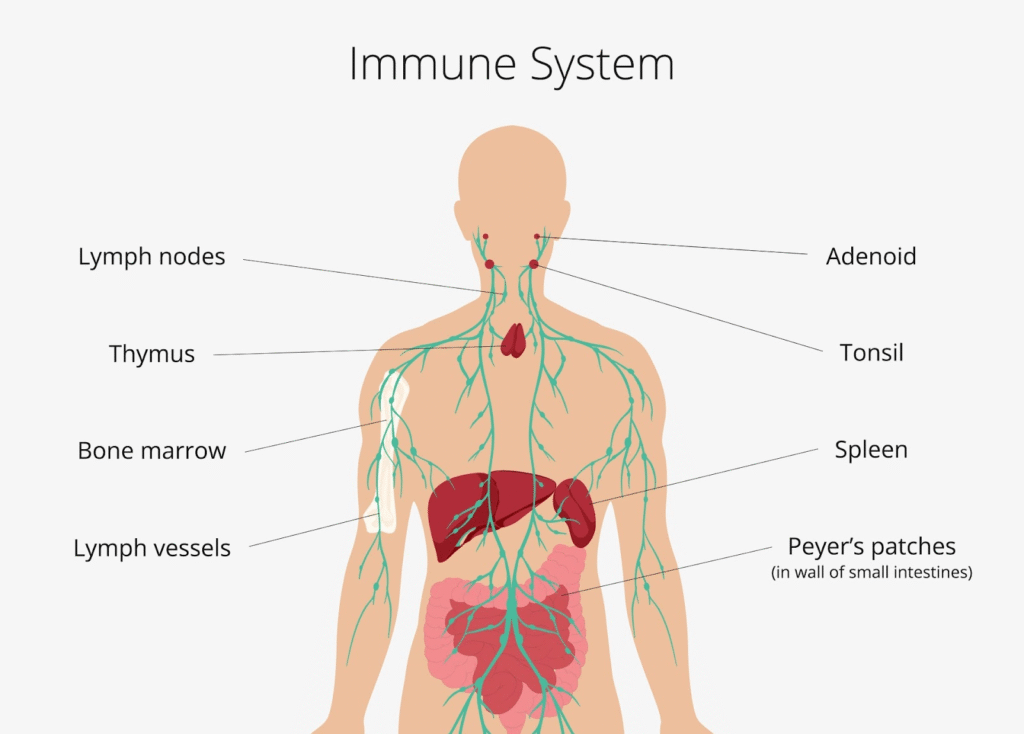
The Architecture of Defense
At the heart of the human immune system lies an intricate network of cells, tissues, and organs that work in concert to defend the body. White blood cells, antibodies, the lymphatic system, and specialized organs like the thymus and spleen form a dynamic army that identifies and eliminates pathogens. This sophisticated system operates around the clock, showcasing human immune wonders in action every second of our lives.
The innate immune system serves as the first line of defense. It responds rapidly to invaders with general mechanisms such as inflammation, fever, and phagocytosis—the process by which immune cells engulf harmful microbes. In contrast, the adaptive immune system tailors its response to specific pathogens, creating a memory that allows for faster, stronger defenses upon future encounters. Understanding these dual layers of protection enhances human immune knowledge, giving insight into how vaccines and lifestyle choices influence immunity.
Cellular Heroes of Immunity
Within the human immune system, a variety of cells perform specialized tasks that are nothing short of remarkable. T-cells act as coordinators, directing other immune cells and identifying infected cells for destruction. B-cells produce antibodies, versatile proteins that can neutralize toxins and viruses with precision. Natural killer cells patrol the body, identifying abnormal cells that may become cancerous. This cellular choreography exemplifies the human immune wonders that operate unseen yet are critical for survival.
Communication and Signaling
A key aspect of the human immune system is its ability to communicate. Cytokines, chemokines, and other signaling molecules act as biochemical messengers, coordinating responses across tissues and organs. This signaling ensures that immune cells are recruited to the right place at the right time, minimizing collateral damage while maximizing efficiency. For those interested in human immune knowledge, this highlights the system’s sophistication—not merely reactive, but highly strategic.
Memory and Adaptation
One of the most astonishing human immune wonders is the adaptive immune system’s memory. After exposure to a pathogen, the immune system retains a record of its molecular structure. This memory allows for a rapid and potent response upon re-exposure, forming the foundation for vaccinations. Understanding this adaptive capability offers valuable human immune knowledge, demonstrating how past experiences can fortify future defenses.
Factors That Influence Immunity
While the human immune system is inherently powerful, its effectiveness is influenced by lifestyle and environmental factors. Nutrition plays a pivotal role: vitamins, minerals, and antioxidants provide the building blocks for immune cell function. Adequate sleep supports repair and regeneration, while regular exercise enhances circulation and immune surveillance. Stress management is equally important, as chronic stress can suppress immune activity. Harnessing these insights into human immune knowledge empowers individuals to optimize their defenses.
Common Misconceptions
Despite its incredible complexity, there are widespread misconceptions about the human immune system. Some assume immunity is static, when in fact it is highly dynamic and responsive. Others believe that only medical interventions can boost immunity, overlooking the profound impact of everyday behaviors. Understanding these nuances is part of appreciating the human immune wonders and applying that knowledge to practical wellness strategies.
The Future of Immune Research
Scientific exploration continues to reveal astonishing human immune wonders. Advances in immunotherapy, microbiome research, and molecular immunology are expanding our understanding of disease prevention and treatment. These discoveries not only enhance human immune knowledge but also open doors to novel approaches for enhancing resilience, personalizing medical care, and improving overall health outcomes.
Practical Tips to Support Your Immune System
While the human immune system is inherently robust, individuals can take proactive steps to maintain and strengthen its function:
- Prioritize balanced nutrition rich in vitamins, minerals, and antioxidants.
- Engage in regular physical activity to enhance circulation and immune cell efficiency.
- Ensure sufficient sleep to facilitate immune repair and regeneration.
- Manage stress through mindfulness, meditation, or relaxing hobbies.
- Practice proper hygiene and vaccination to reduce exposure to harmful pathogens.
These measures, grounded in human immune knowledge, help sustain the remarkable capabilities of the immune system while reducing the risk of illness.The human immune system is a testament to the body’s ingenuity, showcasing intricate defenses, adaptive memory, and precise communication. From cellular heroes to complex signaling networks, these human immune wonders protect and maintain our health in ways that are both visible and unseen. By deepening our human immune knowledge and supporting the system through informed lifestyle choices, we can optimize our body’s natural defenses and enjoy greater resilience throughout life.


More Stories
Unlock the Hidden Keys to a Supercharged Immune System: What Science Gets Wrong
Boost Your Immunity: The Hidden Key to Lasting Health
Unlock the Secret Code of Your Immune System: Why Small Choices Make a Big Difference